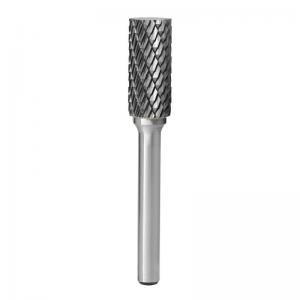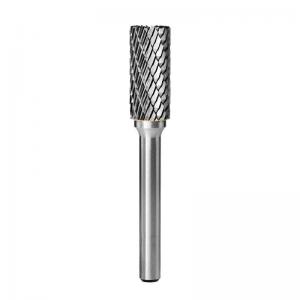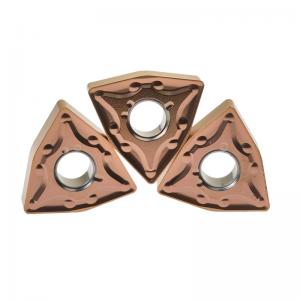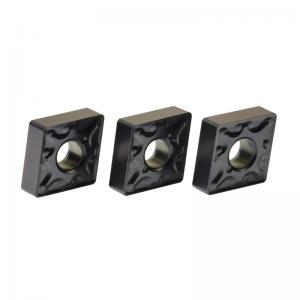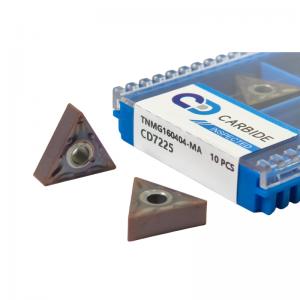
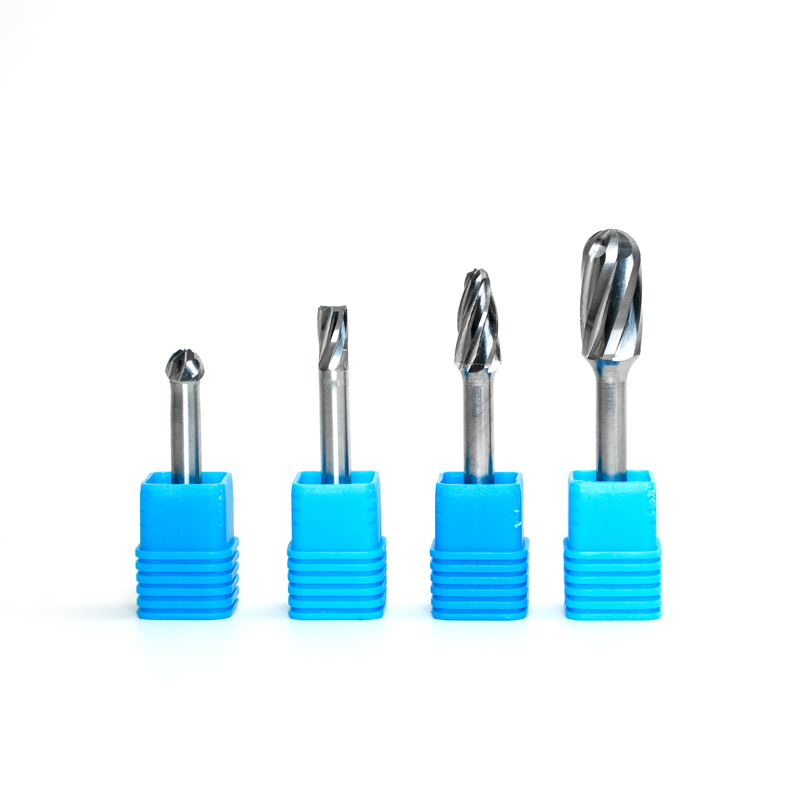
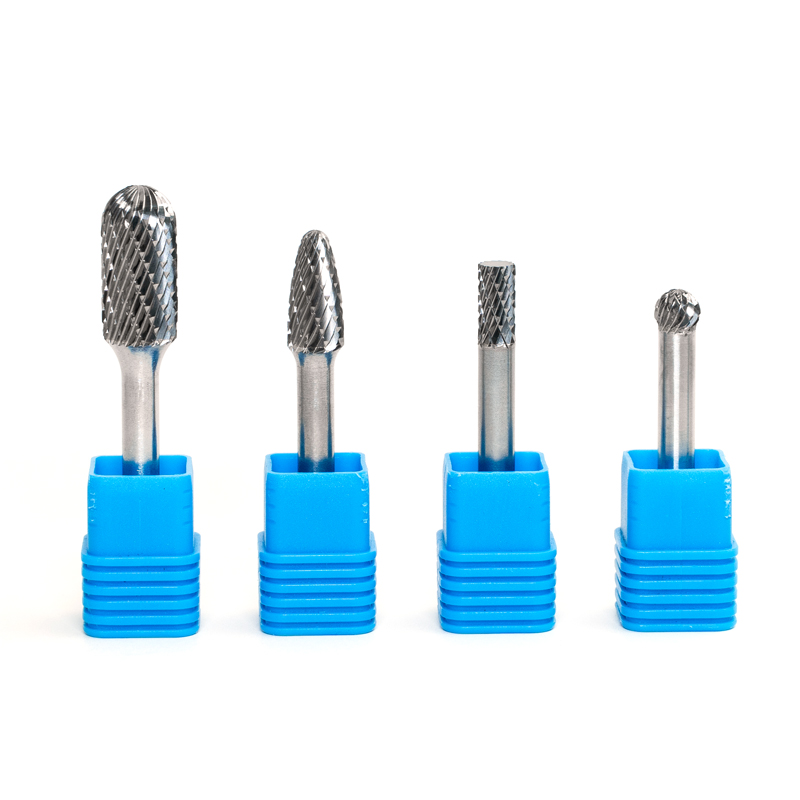
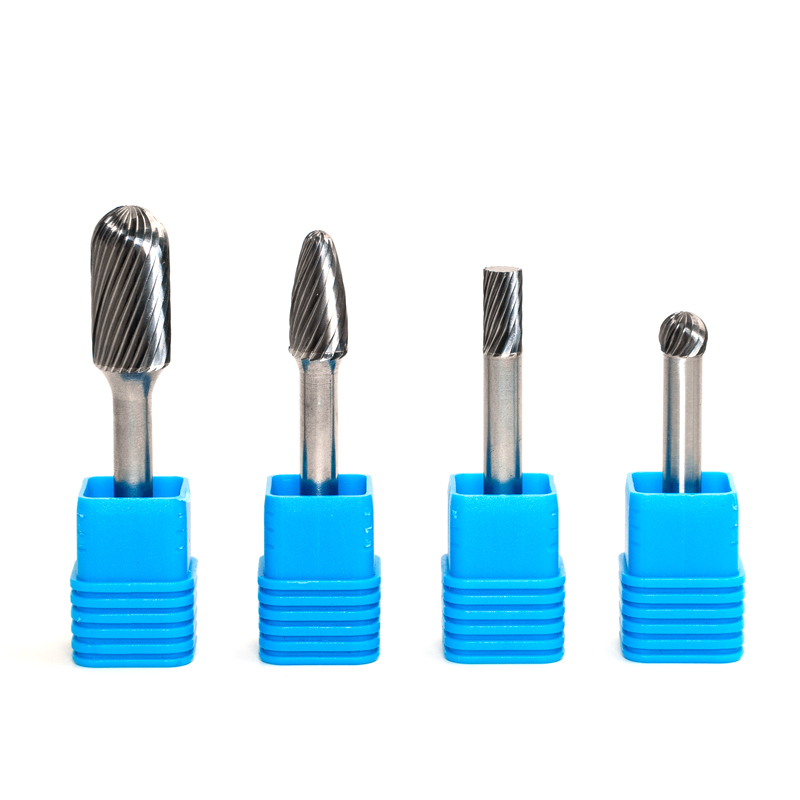
- Sturdy and Wear Resistance : These die grinder drill bits are made of tungsten carbide steel, which is highly wear-resistant. Even when grinding metals such as aluminum and copper, the service life is
- Carbide Burr with Double-Cut Design : These carbide rotary burrs adopt a cross-line design, which has the characteristics of rapid chip evacuation, can improve work efficiency and shorten cutting time
- Widely Used : such as engraving, carving, polishing, deburring, grinding, cutting, chamfering, milling, cleaning, transplanting.
Isapejuwe
Product Overview
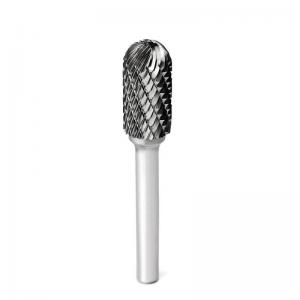
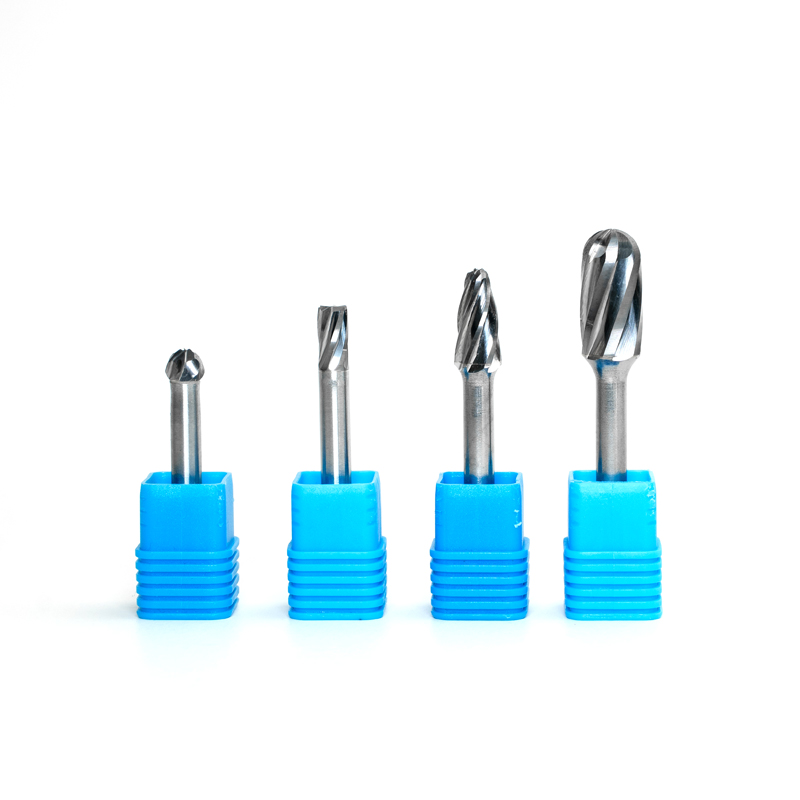
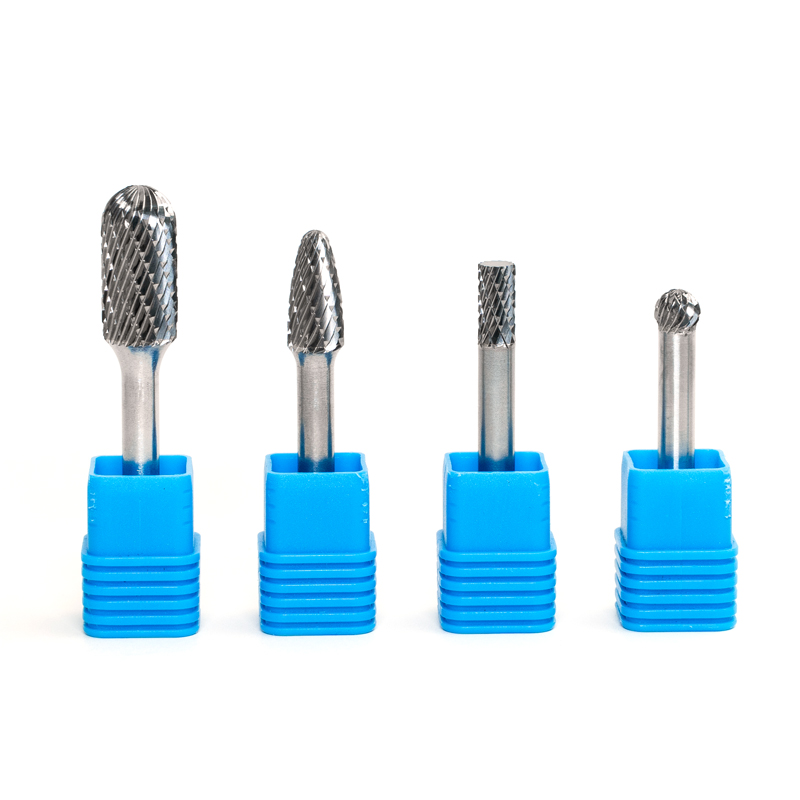
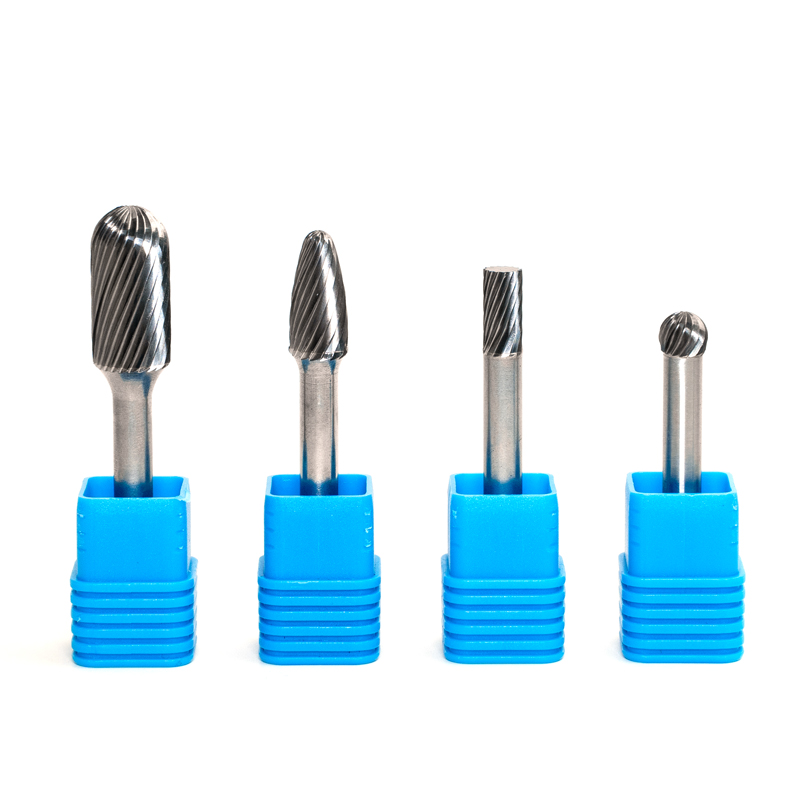
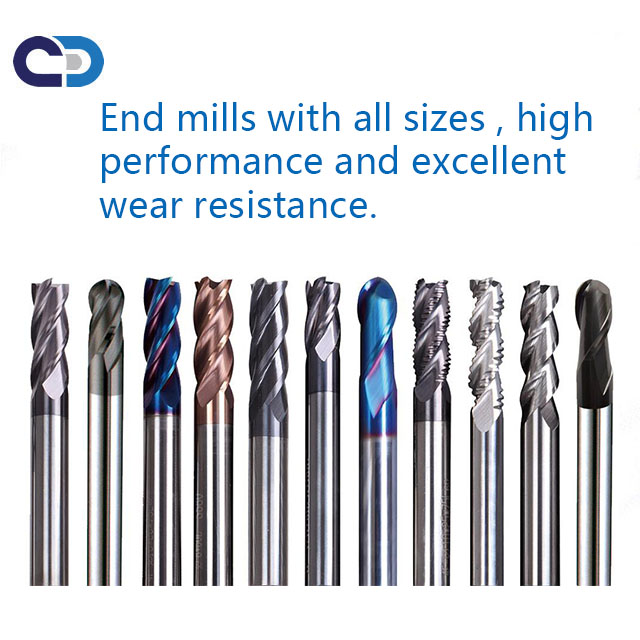
The Aluminum Cut C-Type (Cylindrical Ball Nose) rotary file is specifically engineered for rapid material removal on non-ferrous metals. Unlike standard double-cut burrs that quickly clog when used on soft materials, our Aluminum Cut features extra-wide, deep flutes. This ensures that chips are ejected instantly, keeping the tool cool and sharp for a flawless finish on aluminum, brass, and plastics.
Technical Properties
Material: Premium Tungsten Carbide (YG8 / K30)
Hardness: 90-92HRA
Heat Resistance: Maintains cutting edge up to 800℃
Max Speed (RPM): 3mm Dia: ~60,000 RPM
6mm Dia: ~45,000 RPM
12mm Dia: ~25,000 RPM
Primary Applications
Materials: Aluminum, Aluminum Alloys, Brass, Copper, Soft Magnesium, Zinc, and Hard Plastics.
Industries: Automotive porting, aerospace fabrication, foundry work, and custom metal sculpture.
Operations: Deburring, edge breaking, contouring, and internal radius grinding.
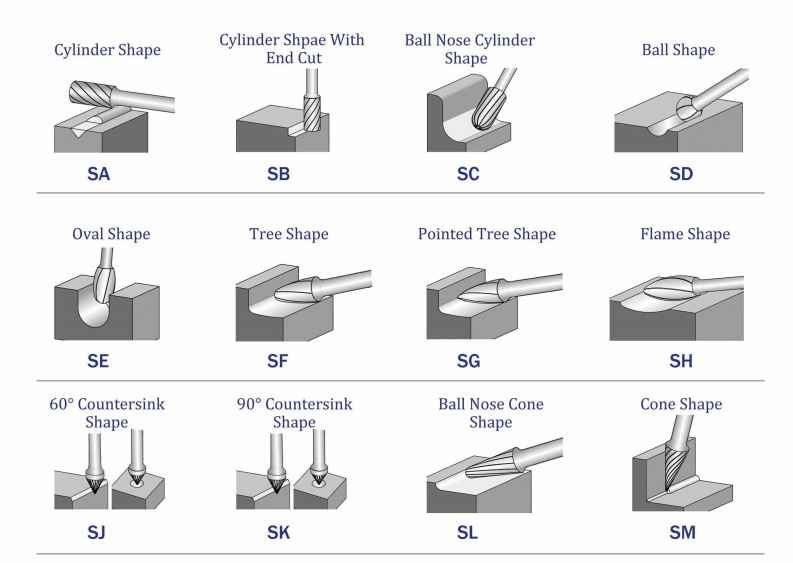
Shape Classification (International Standards)
These codes identify the head shape of the rotary file.
| Shape Code | Shape Name | Common Application |
| Type A | Cylindrical (Plain End) | Surface milling, edge leveling |
| Type B | Cylindrical (End Cut) | Peripheral and end milling |
| Type C | Cylindrical Ball Nose | Contouring and radius milling |
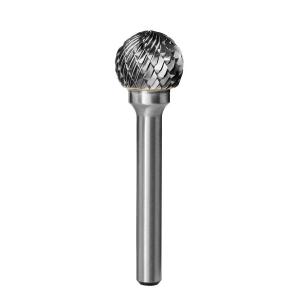
| Type D | Ball / Spherical | Hole enlarging, rounding, concave work |
| Type E | Oval / Egg | Contoured deburring, rounding edges |
| Type F | Tree (Radius End) | Rounding narrow contours, internal milling |
| Type G | Tree (Pointed End) | Reaching into tight, pointed angles |
| Type H | Flame Shape | Universal contouring and blending |
| Type L | Taper (Radius End) | Difficult-to-reach areas and radii |
| Type M | Conical (Pointed End) | Acute angles and narrow deburring |
Common Dimensional Specifications
These are the industry-standard sizes for 6mm (1/4") and 3mm (1/8") shank series.
| Model Example | Head Dia (D1) | Cut Length (L1) | Shank Dia (d2) | Overall Length (L2) |
| 0306 (Mini) | 3 mm | 6 mm | 3 mm | 38 mm |
| 0616 | 6 mm | 16 mm | 6 mm | 50 mm |
| 0820 | 8 mm | 20 mm | 6 mm | 65 mm |
| 1020 | 10 mm | 20 mm | 6 mm | 65 mm |
| 1225 | 12 mm | 25 mm | 6 mm | 70 mm |
| 1425 | 14 mm | 25 mm | 6 mm | 70 mm |
| 1625 | 16 mm | 25 mm | 6 mm |
Cut Type Selection (Tooth Geometry)
| Cut Type | Description | Best For |
| Single Cut | One set of diagonal flutes. | Fast material removal, long chips. Steel, Cast Iron. |
| Double Cut | Cross-cut flutes (Diamond cut). | Fine finish, smaller chips, better operator control. Universal use. |
| Aluminum Cut | Wide, deep flutes (Single cut). | Preventing clogging on soft/gummy metals. Aluminum, Plastics, Brass. |


FAQ
1) Nigbawo ni MO le gba idiyele naa?
A maa n sọ laarin awọn wakati 24 lẹhin ti a gba ibeere rẹ.Ti o ba ni iyara pupọ lati gba idiyele naa, jọwọ pe wa tabi sọ fun wa ninu imeeli rẹ ki a le ṣe akiyesi pataki ibeere rẹ.
2) Bawo ni MO ṣe le gba ayẹwo lati ṣayẹwo didara rẹ?
Lẹhin ijẹrisi idiyele, o le nilo fun awọn ayẹwo lati ṣayẹwo didara wa. Ti o ba kan nilo ayẹwo òfo lati ṣayẹwo apẹrẹ ati didara iwe, a yoo fun ọ ni ayẹwo fun ọfẹ, niwọn igba ti o ba ni ẹru ọkọ oju-omi kiakia.
3) Igba melo ni MO le reti lati gba ayẹwo naa?
Lẹhin ti o san idiyele ayẹwo ati firanṣẹ awọn faili ti a fọwọsi, awọn ayẹwo yoo ṣetan fun ifijiṣẹ ni awọn ọjọ 3-7. Awọn ayẹwo naa yoo ranṣẹ si ọ nipasẹ kiakia ati de ni awọn ọjọ iṣẹ 3-7. O le lo akọọlẹ kiakia ti ara rẹ tabi sanwo tẹlẹ wa ti o ko ba ni akọọlẹ kan.
4) Bawo ni pipẹ gbogbo ilana ti n ṣiṣẹ jade?
Lẹhin ti o paṣẹ, akoko mimu iṣelọpọ jẹ nipa awọn ọjọ 20-25. A nilo awọn ọjọ 7 lati ṣeto gbogbo nkan naa lẹhinna awọn ọjọ 15 fun iṣelọpọ.
5) Kini nipa gbigbe ati ọjọ ifijiṣẹ?
Ni deede a lo gbigbe lati gbe awọn ọja naa pada. O jẹ nipa awọn ọjọ 7-25. O tun da lori iru ile-iṣẹ ati ibudo ti o wa. O le jẹ kukuru ti o ba nilo lati firanṣẹ awọn ọja bi Asia. Ti o ba wa diẹ ninu awọn pajawiri a le fi awọn ẹru ranṣẹ nipasẹ afẹfẹ kiakia, niwọn igba ti o ba ni owo-owo ijabọ naa.
6) Ṣe o jẹ ile-iṣẹ iṣowo tabi olupilẹṣẹ?
A ni o wa ọjọgbọn olupese. A ko ni ile-iṣẹ irinṣẹ wa nikan, ṣugbọn tun ni ile-iṣẹ carbide ti simenti.
7) Nibo ni ile-iṣẹ rẹ wa?
A wa ni ilu Zhuzhou, Hunan Province., Tungsten carbide base town of China
8) Igba melo ni MO le reti lati gba ayẹwo naa?
Lẹhin ti o san idiyele ayẹwo ati firanṣẹ awọn faili ti a fọwọsi, awọn ayẹwo yoo ṣetan fun ifijiṣẹ ni awọn ọjọ 3-7. Awọn ayẹwo naa yoo ranṣẹ si ọ nipasẹ kiakia ati de ni awọn ọjọ iṣẹ 3-5. O le lo akọọlẹ kiakia ti ara rẹ tabi sanwo tẹlẹ wa ti o ko ba ni akọọlẹ kan.
9) Bawo ni nipa ọja iṣura rẹ?
A ni awọn ọja ti o tobi pupọ ni iṣura, awọn oriṣi deede ati awọn titobi gbogbo wa ni iṣura.
10) Ṣe ifijiṣẹ ọfẹ ṣee ṣe?
A ko funni ni iṣẹ gbigbe ọfẹ. A le ni ẹdinwo ti o ba ra ọja ti o tobi pupọ
Lero lati kan si mi:
Aimee
Alabojuto nkan tita
Zhuzhou Chuangde Cemented Carbide Co. Ltd
215, building 1, International Students Pioneer Park,
TaishanRoad, Tianyuan Agbegbe, Zhuzhou Ilu.
Imeeli: cd@cdcarbide.com
Tel:+86-731-22506139
Mobile:+8613786352688
Whatspp/wechat/Skype: 0086 13786352688