How to Choose the Right Carbide Burr Shape & Cut Style for Your Project

When it comes to metalworking, deburring, welding preparation, or mold making, a rotary tool is only as good as the carbide burr attached to it. Tungsten carbide burrs are highly valued in the industrial sector for their exceptional hardness and heat resistance. However, walk into any machine shop or look at a manufacturer's catalog, and you will be met with a massive array of tool shapes and tooth configurations.
Using the wrong shape or cut style can lead to ruined workpieces, premature tool wear, or even safety hazards.
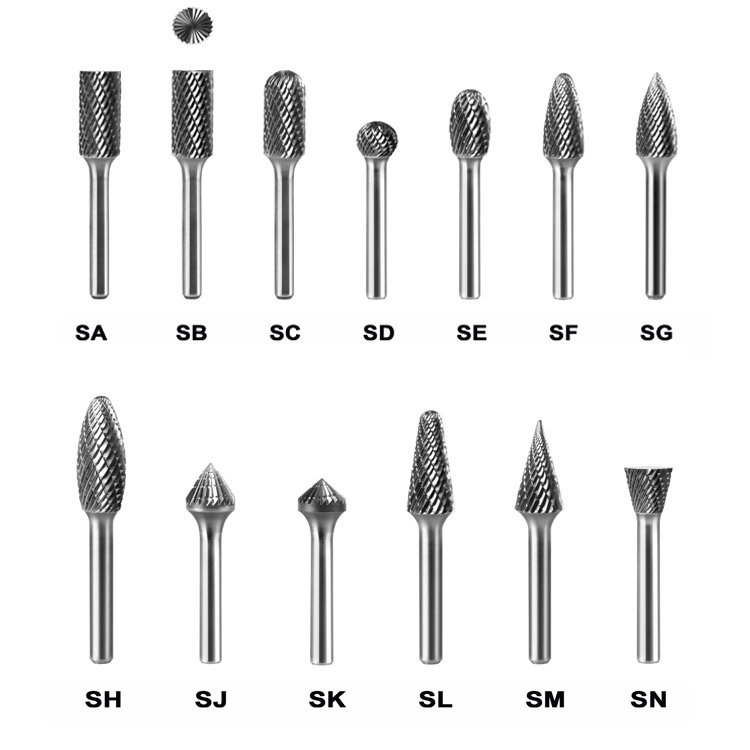
Choosing the right carbide burr does not have to be a guessing game. By breaking down your selection into two main decisions—Cut Style (The Tooth Geometry) and Burr Shape (The Silhouette)—you can maximize your machining efficiency and get the perfect finish every time.
Step 1: Select Your Cut Style (The Tooth Geometry)
The "cut" refers to the tooth pattern ground into the carbide head. Choosing the right cut style depends entirely on the hardness and type of material you are processing.
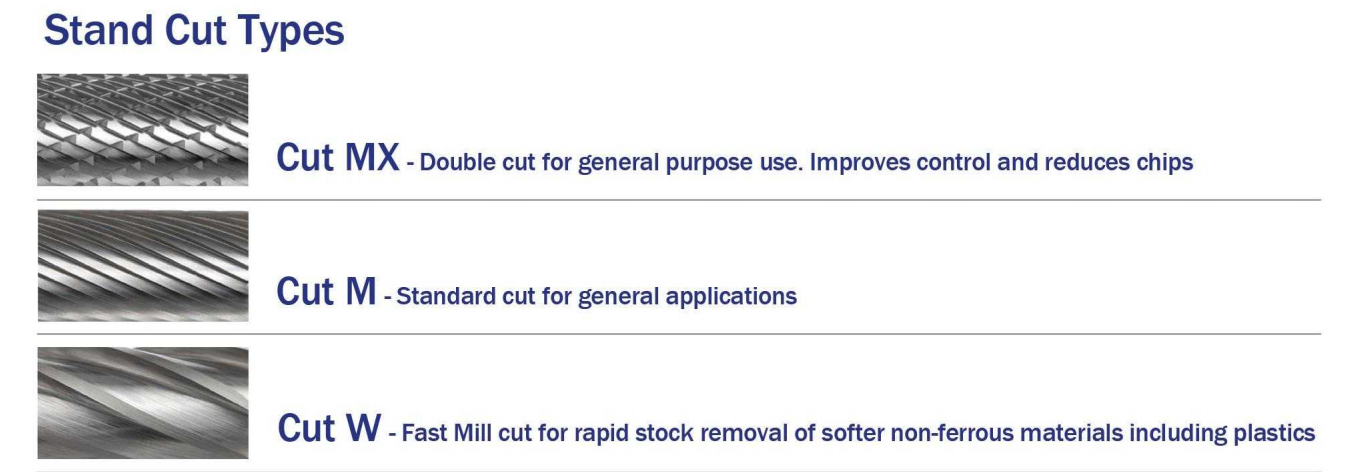
1. Double Cut (Cut MX) – The General Purpose Workhorse
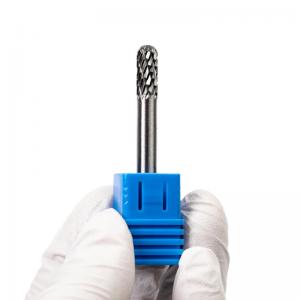
If you can only buy one type of carbide burr, make it a double cut. This pattern features two sets of cutting teeth ground across each other, creating a cross-flute design.
How it works: The cross-cut geometry breaks up chips into much smaller pieces, preventing long, sharp metal slivers from flying around your workspace.
Benefits: Provides excellent operator control, minimizes machine chatter, and delivers a smoother surface finish.
Best For: Hardened steel, stainless steel, cast iron, titanium, and high-temperature alloys.
2. Single Cut (Cut M) – Maximum Stock Removal
Single cut burrs feature a single set of spiral, right-handed flutes.
How it works: Without intersecting flutes, the single spiral cut creates large, continuous chips.
Benefits: It offers rapid stock removal and aggressive cutting power.
Best For: General applications on standard ferrous metals, unhardened steel, and copper where quick material removal is more important than a fine surface finish.
3. Fast Mill Cut (Cut W) – The Non-Ferrous Specialist
Soft metals like aluminum, brass, and copper are notoriously gummy. If you try to grind them with a standard double cut burr, the metal will quickly melt and clog the teeth (known as loading), rendering the tool useless and causing severe overheating.
How it works: Cut W features wide, deep, and highly aggressive flutes.
Benefits: The deep channels allow soft, non-ferrous materials and plastics to slide right out instead of packing into the flutes, ensuring rapid stock removal without clogging.
Best For: Aluminum, non-ferrous soft metals, plastics, and hard rubber.
4. Specialty Cuts for Advanced Finishing
For highly specific industrial applications, manufacturers offer tailored tooth geometries:
Fine Cut (Cut F): Designed for ferrous metals when you need a highly polished, premium surface finish.
Coarse Cut (Cut C): Optimized for heavy metal removal on softer non-ferrous alloys.
Diamond/Alloy Cut (Cut L): Built with dense, diamond-like tooth arrays specifically engineered to tackle the hardest materials while leaving excellent finishes.
Step 2: Choose the Right Burr Shape
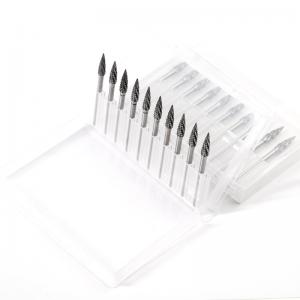
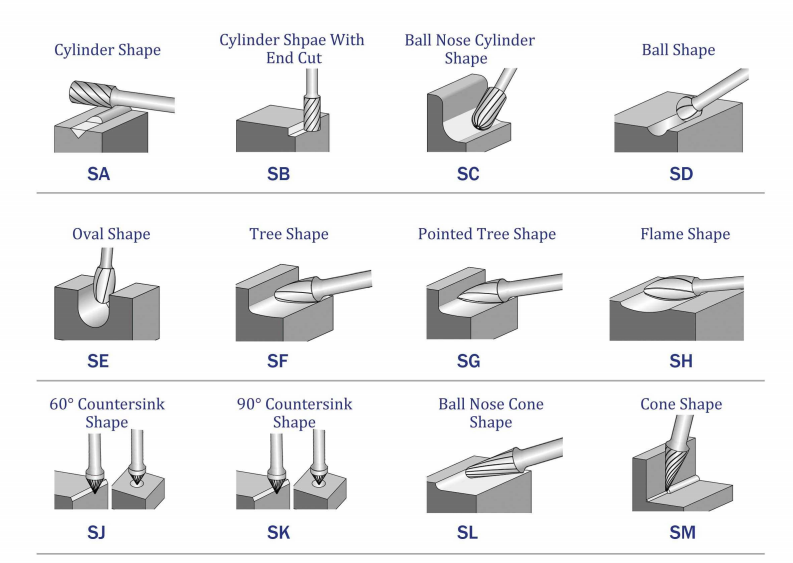
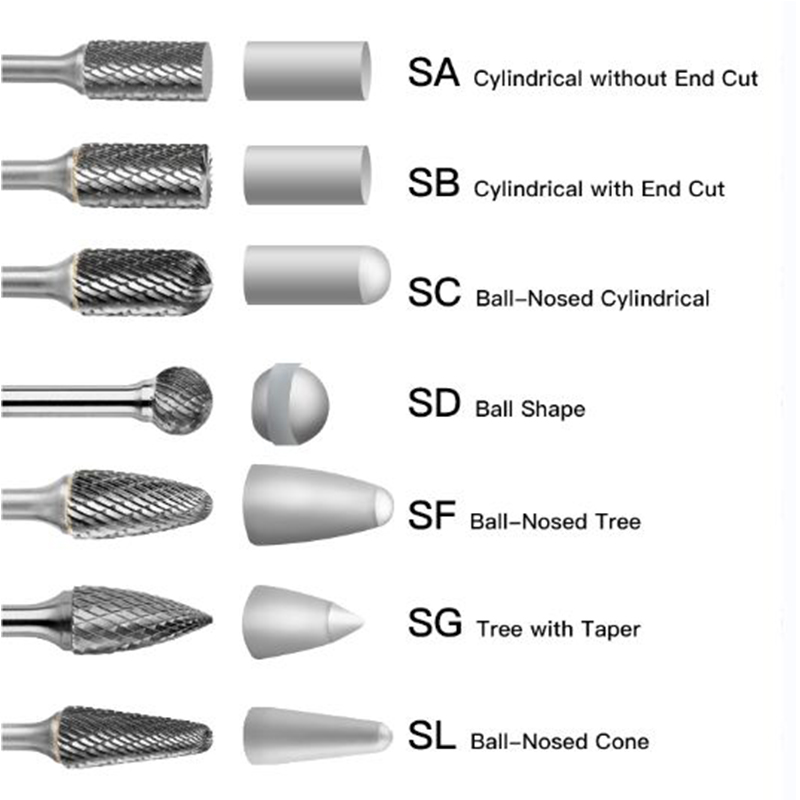
The shape of the burr dictates what kind of geometry, profile, or contour you can physically machine into your workpiece. Industrial standards use a universal lettering system (Type A through Type N) to classify these profiles:
Pro Tips for Maximum Efficiency and Tool Life
Even if you pick the perfect shape and cut style, your execution matters. Keep these professional shop practices in mind to make your high-performance carbide tools last significantly longer:
Match Your RPM to Your Burr Size: Do not run your grinder at arbitrary speeds. Smaller head diameters (e.g., under 3mm) require ultra-high speeds up to 45,000–100,000 RPM. Larger burrs (e.g., 12mm heads) should be run much slower, typically between 13,000 and 28,000 RPM, to keep cut velocities optimized.
Smooth, Gentle Starts: When initiating a cut, touch the workpiece slowly and smoothly. This allows the shank and the head to maintain perfect concentricity and stability. Excessive shaking or unstable grinding right at the start will chip or fracture the carbide teeth instantly.
Let the Tool Do the Work: Avoid applying heavy downward pressure. Forcing the tool into the metal creates extreme frictional heat that breaks down the brazed joint between the carbide head and the steel shank, drastically reducing its working life.
Never Lock Up: If your burr gets jammed or stuck in a narrow groove or gap, stop rotating immediately. Forcing the tool to spin while wedged will break the carbide head clean off the shank.
Safety First: Carbide burrs create tiny, scorching-hot metallic chips that fly off at high velocities. Always wear certified safety glasses or a full face mask, protective gloves, and ear protection before starting your die grinder. Additionally, never operate them in environments containing combustible gases.