सीबीएन विरुद्ध पीसीडी: सुपरहार्ड कटिंग टूल्सची लढाई - उत्पादन आणि कार्यप्रदर्शनात खोलवर जा

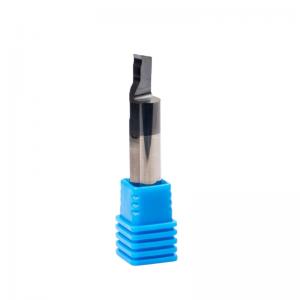
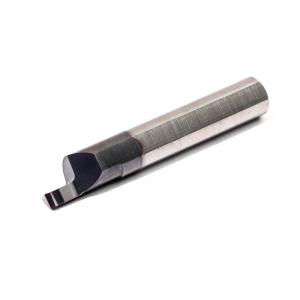
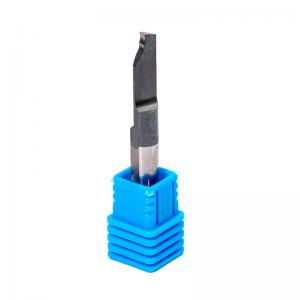
CBN (क्यूबिक बोरॉन नायट्राइड) CNC कटिंग टूल्स
CBN, किंवा क्यूबिक बोरॉन नायट्राइड, एक कृत्रिम सामग्री आहे जी त्याच्या अत्यंत कडकपणा आणि टिकाऊपणासाठी ओळखली जाते. कडकपणाच्या बाबतीत ते हिऱ्यानंतर दुसऱ्या क्रमांकावर आहे, ज्यामुळे ते उच्च-कार्यक्षमता मशीनिंगमध्ये वापरल्या जाणाऱ्या कटिंग टूल्ससाठी एक आदर्श सामग्री बनते. CBN कटिंग टूल्स सामान्यत: कठोर स्टील्स, कास्ट इस्त्री आणि पारंपारिक कटिंग टूल्ससह प्रक्रिया करणे कठीण असलेल्या इतर उच्च-शक्तीच्या सामग्रीसाठी वापरले जातात.
CBN टूल्सची निर्मिती प्रक्रिया:
सीबीएन कटिंग टूल्सच्या उत्पादनामध्ये सामान्यत: उच्च दाब आणि उच्च तापमानात बोरॉन नायट्राइड (बीएन) चे संश्लेषण समाविष्ट असते. प्रक्रिया बोरॉन पावडर आणि नायट्रोजन वायूपासून सुरू होते, ज्यांना क्यूबिक बोरॉन नायट्राइड (c-BN) क्रिस्टल्स तयार करण्यासाठी अत्यंत परिस्थिती (1500°C च्या वर) लागू होते. हे स्फटिक नंतर मॅट्रिक्स सामग्रीसह एकत्र केले जातात, बहुतेकदा कोबाल्ट बाईंडर, कटिंग इन्सर्ट किंवा टूल तयार करतात. हे संयोजन CBN टूलला त्याच्या उल्लेखनीय कडकपणा आणि परिधान प्रतिरोधकतेसह प्रदान करते.
विशिष्ट मशीनिंग आवश्यकतांवर अवलंबून, सीबीएन इन्सर्ट विविध आकार आणि आकारांमध्ये तयार केले जाऊ शकतात. त्याचे कार्यप्रदर्शन आणि पृष्ठभाग पूर्ण करण्यासाठी अंतिम साधन अनेकदा सिंटर केलेले, ग्राउंड आणि लेपित केले जाते. उच्च तापमानात तीक्ष्ण कटिंग धार राखण्याची टूलची क्षमता हे एरोस्पेस, ऑटोमोटिव्ह आणि टूल मॅन्युफॅक्चरिंग सारख्या उद्योगांमध्ये हेवी-ड्युटी ऍप्लिकेशन्ससाठी उत्कृष्ट पर्याय बनवते.
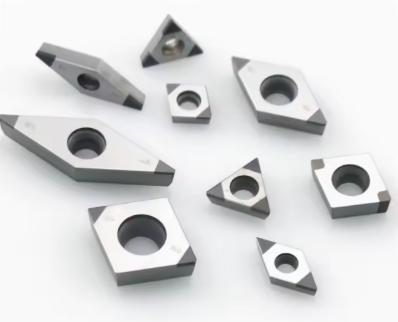
पीसीडी (पॉलीक्रिस्टलाइन डायमंड) सीएनसी कटिंग टूल्स
PCD, किंवा पॉलीक्रिस्टलाइन डायमंड, उच्च दाब आणि तापमानात बारीक डायमंड स्फटिकांना एकत्र जोडून बनवलेली सामग्री आहे, परिणामी एक मजबूत, टिकाऊ कटिंग टूल सामग्री बनते. PCD साधने त्यांच्या अपवादात्मक पोशाख प्रतिरोधकतेसाठी ओळखली जातात, विशेषत: अल्युमिनियम, तांबे आणि पितळ यांसारख्या नॉन-फेरस धातू तसेच संमिश्र सामग्रीचे मशीनिंग करताना.
पीसीडी टूल्सची निर्मिती प्रक्रिया:
पीसीडी टूल्सचे उत्पादन बारीक डायमंड पावडरच्या निर्मितीपासून सुरू होते, जे मेटल बाइंडरमध्ये मिसळले जाते, सहसा कोबाल्ट किंवा इतर धातू पावडर. हे मिश्रण नंतर उच्च-तापमान, उच्च-दाब प्रक्रियेच्या अधीन केले जाते ज्याला विशेष प्रेसमध्ये "सिंटरिंग" म्हणून ओळखले जाते. या प्रक्रियेदरम्यान, डायमंड क्रिस्टल्स एकत्र मिसळतात, एक दाट, पॉलीक्रिस्टलाइन रचना तयार करतात.
PCD साधने सामान्यत: दोन मुख्य स्वरूपात तयार केली जातात: मोनोलिथिक आणि ब्रेझ्ड. मोनोलिथिक पद्धतीमध्ये, संपूर्ण टूल पीसीडीपासून बनवले जाते, तर ब्रेझ्ड पद्धतीमध्ये, कार्बाइड सब्सट्रेटला पीसीडीचा पातळ थर जोडला जातो. सिंटरिंग केल्यानंतर, PCD टूल्स ग्राउंड केले जातात आणि अचूक परिमाणांमध्ये पॉलिश केले जातात, तीक्ष्ण कटिंग धार आणि पृष्ठभागाची गुळगुळीत पूर्णता सुनिश्चित करते. त्यांचा पोशाख आणि ऑक्सिडेशनचा प्रतिकार वाढवण्यासाठी त्यांना कोटिंग्जसह उपचार केले जाऊ शकतात, ज्यामुळे विशिष्ट अनुप्रयोगांमध्ये त्यांची कार्यक्षमता सुधारू शकते.
PCD साधने सामान्यतः उच्च-अचूक कटिंग कार्यांसाठी वापरली जातात आणि विशेषतः मशीनिंग सामग्रीसाठी फायदेशीर आहेत ज्यामुळे पारंपारिक साधन सामग्रीला लक्षणीय पोशाख होतो. त्यांच्या अपवादात्मक कडकपणा आणि कमी घर्षण गुणधर्मांमुळे, ते फिनिशिंग आणि हाय-स्पीड मशीनिंग ऑपरेशन्समध्ये उत्कृष्ट कामगिरी देतात.
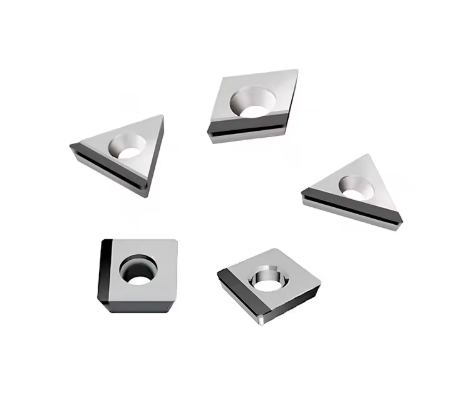
CBN आणि PCD CNC कटिंग टूल्समधील तुलना
| मालमत्ता | CBN (क्यूबिक बोरॉन नायट्राइड) | पीसीडी (पॉलीक्रिस्टलाइन डायमंड) |
|---|---|---|
| साहित्य रचना | हार्ड, सिंथेटिक बोरॉन नायट्राइड | सिंथेटिक डायमंडचे कण उच्च दाबाखाली जोडलेले असतात |
| कडकपणा | खूप उच्च, हिऱ्यानंतर दुसरा | अत्यंत उच्च, सर्वात कठीण ज्ञात सामग्री |
| अर्ज | कठोर स्टील्स, कास्ट इस्त्री, उच्च-तापमान मिश्र धातु | नॉन-फेरस धातू, संमिश्र, ॲल्युमिनियम, तांबे इ. |
| प्रतिरोधक पोशाख | उत्कृष्ट, विशेषतः कठोर, अपघर्षक सामग्रीसह | उत्कृष्ट, विशेषतः मऊ, नॉन-फेरस धातूंसाठी |
| थर्मल स्थिरता | खूप उच्च, अत्यंत उष्णता चांगल्या प्रकारे हाताळते | मध्यम, उच्च तापमानास संवेदनशील |
| साधन जीवन | खडबडीत आणि हेवी-ड्यूटी मशीनिंगमध्ये लांब साधन जीवन | खूप लांब टूल लाइफ, विशेषत: फिनिशिंग ऑपरेशन्समध्ये |
| कटिंग गती | जड कट आणि मध्यम गतीसाठी आदर्श | हलक्या आणि मध्यम कटांसाठी उच्च कटिंग गती |
| खर्च | साधारणपणे PCD पेक्षा कमी | उत्पादन प्रक्रिया आणि सामग्रीमुळे उच्च |
| ठराविक उद्योग | एरोस्पेस, ऑटोमोटिव्ह, डाय आणि मोल्ड, स्टील उद्योग | ऑटोमोटिव्ह, एरोस्पेस, इलेक्ट्रॉनिक्स आणि प्लास्टिक |
| पृष्ठभाग समाप्त | कठोर सामग्रीमध्ये उच्च सुस्पष्टता आणि चांगली पृष्ठभाग समाप्त | नॉन-फेरस सामग्रीमध्ये उत्कृष्ट पृष्ठभाग समाप्त |
मुख्य फरक:
साहित्य सुसंगतता:
CBN विशेषतः कठोर स्टील्स आणि कास्ट आयर्न सारख्या कठोर आणि अपघर्षक सामग्रीसाठी उपयुक्त आहे.
PCD हे ॲल्युमिनियम, तांबे आणि कंपोझिट सारख्या मऊ साहित्यासाठी आदर्श आहे, जे पारंपारिक साधने त्वरीत कमी होतात.
उच्च तापमानात कामगिरी:
CBN टूल्स उच्च-तापमान कमी न करता सहन करू शकतात, उच्च-बल आणि उच्च-उष्णतेच्या मशीनिंग परिस्थितीसाठी ते अधिक प्रभावी बनवतात.
PCD टूल्स, खूप कठीण असताना, अत्यंत उच्च तापमानाला कमी सहनशील असतात आणि अशा परिस्थितीत त्यांची धार गमावू शकतात.
खर्च विचार:
CBN साधने PCD साधनांपेक्षा अधिक परवडणारी असतात, कारण PCD ला अधिक जटिल उत्पादन प्रक्रियांची आवश्यकता असते आणि कच्चा माल स्वतःच अधिक महाग असतो.
पृष्ठभाग समाप्त आणि अचूकता:
विशेषत: नॉन-फेरस मटेरियलमध्ये अल्ट्रा-फाईन पृष्ठभाग पूर्ण करण्यासाठी PCD टूल्स अधिक उपयुक्त आहेत.
CBN टूल्स, अगदी तंतोतंत, मऊ मटेरियलमध्ये सर्वोच्च पृष्ठभाग पूर्ण करण्यापेक्षा टिकाऊपणा आणि कटिंग टफनेसमध्ये अधिक उत्कृष्ट आहेत.
दोन्ही CBN आणि PCD CNC कटिंग टूल्स अपवादात्मक कामगिरी देतात, परंतु ते वेगवेगळ्या मशीनिंग गरजा पूर्ण करतात. CBN टूल्स कठीण, कठोर सामग्री आणि उच्च-तापमान अनुप्रयोगांसाठी आदर्श आहेत, तर PCD टूल्स मऊ धातू आणि संमिश्र सामग्रीसह काम करताना चमकतात, ज्यामुळे उपकरणांचे दीर्घ आयुष्य आणि उत्कृष्ट कटिंग कार्यप्रदर्शन मिळते. या दोन्हींमधली निवड मशिनिंग करत असलेल्या विशिष्ट सामग्रीवर, आवश्यक साधनांचे आयुष्य आणि मशीनिंग वातावरणावर अवलंबून असते.