CBN Inserts vs. Carbide Inserts: Die koste-effektiwiteitsformule vir harde materiaal bewerking

CBN Inserts vs. Carbide Inserts: Die koste-effektiwiteitsformule vir harde materiaal bewerking
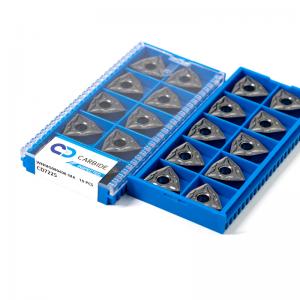
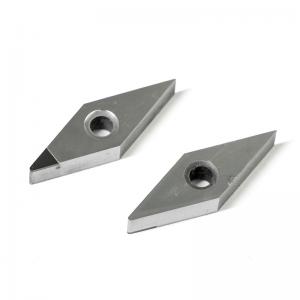
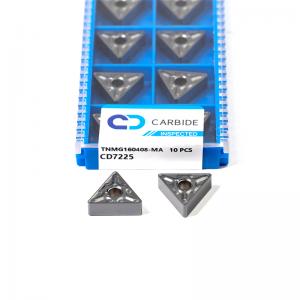
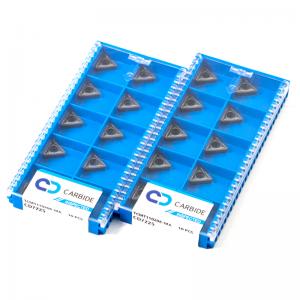
In moderne vervaardiging word harde materiaalbewerking al hoe meer algemeen, veral in nywerhede soos motor, lugvaart en gereedskap, waar die hardheid van werkstukke dikwels HRC50 oorskry. In sulke gevalle beïnvloed die keuse van gereedskap produktiwiteit, bewerkingskwaliteit en algehele koste direk. Onder die beskikbare opsies,CBN (Cubic Boron Nitride) insetselsenkarbied insertsis twee groot oplossings.
Hierdie artikel vergelyk die twee oor vier sleuteldimensies—hardheid, hittebestandheid, gereedskapleeftyd en koste—om die optimale toepassingsgrense van CBN-insetsels te verduidelik. Dit bied ook 'n koste-voordeel-gevallestudie in motor komponent bewerking.
I. Prestasievergelyking
1. Hardheid
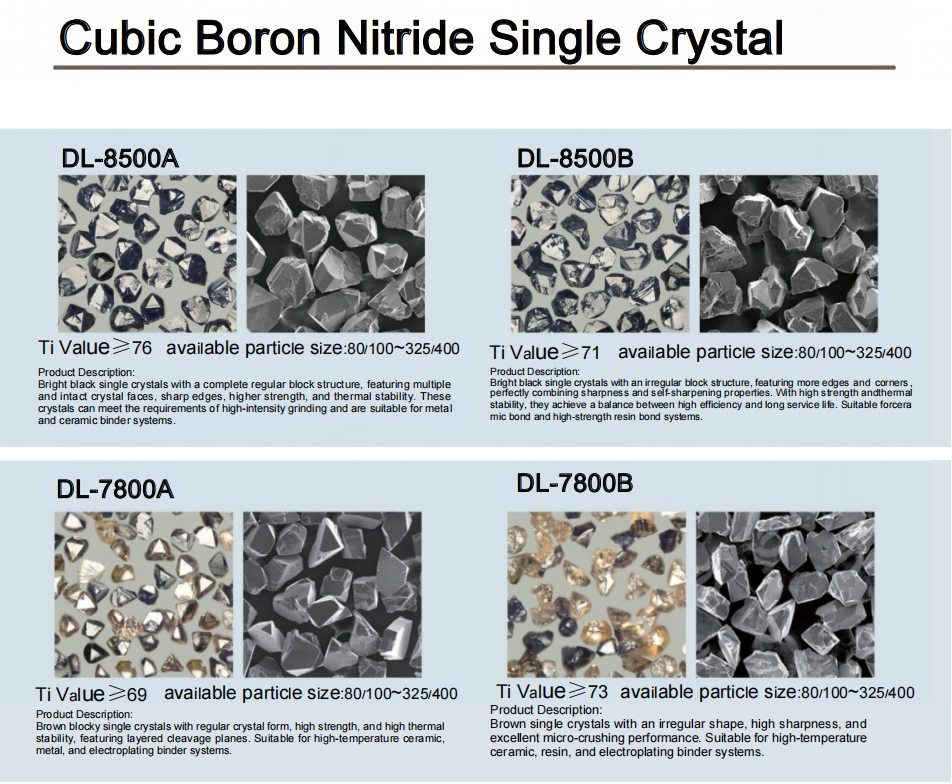
CBN-insetsels: Slegs tweede na diamant in hardheid, ideaal vir die bewerking van geharde staal bo HRC50, poeiermetallurgie en hoë-temperatuur legerings.
Karbied-insetsels: Hardheid rondom HRA90. Gereedskapslytasie versnel aansienlik wanneer materiaal bo HRC45 gemasjineer word.
2. Hitteweerstand
CBN-insetsels: Weerstaan temperature tot 1200°C, geskik vir hoëspoed droë sny, wat koelmiddelverbruik verminder.
Karbied-insetsels: Hitteweerstand tot ~800°C; geneig tot plastiese vervorming en flankslytasie teen hoë snelhede.
3. Gereedskaplewe
CBN-insetsels: Kan 5–10 keer langer hou as karbied wanneer geharde materiale gemasjineer word, wat groter stabiliteit bied.
Karbied-insetsels: Gereedskaplewe daal skerp op harde materiale, wat gereelde vervanging vereis en stilstand veroorsaak.
4. Koste
CBN-insetsels: Hoër voorafkoste per insetsel, maar koste per onderdeel daal as gevolg van langer lewensduur.
Karbied-insetsels: Laer aanvanklike koste, maar gereelde vervanging verhoog algehele koste.
II. Toepassingsgrense van CBN-insetsels
Op grond van hierdie aanwysers kan die optimale scenario's vir CBN-insetsels opgesom word as:
Materiële hardheid: HRC50 en hoër, soos geharde staal, poeiermetallurgie en hoë-temperatuur legerings.
Produksiegroepgrootte: Medium tot groot volumes, waar werktuiglewensvoordeel koste verreken.
Presisievereistes: Dimensionele toleransie IT6 of beter, oppervlakruwheid Ra ≤ 0.8 μm.
Bewerking metode: Hoëspoed droë sny, semi-afwerking of afwerking.
Wanneer materiaalhardheid laer is (onder HRC45), bondelgrootte klein is, of presisievereistes matig is, bly karbied-insetsels die meer koste-effektiewe keuse.
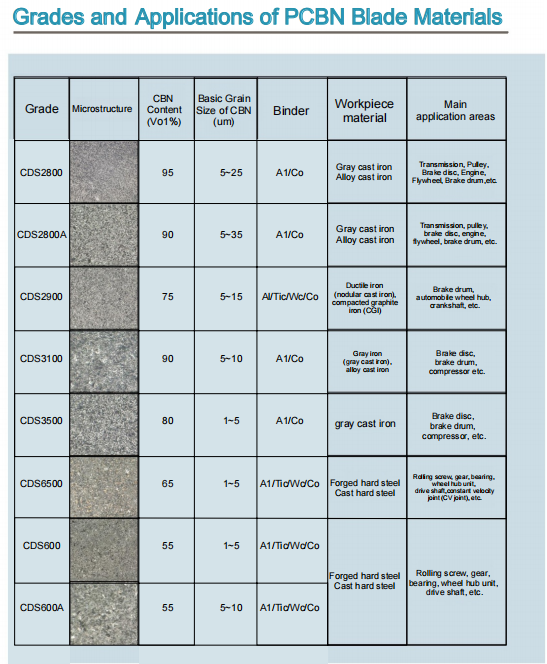
III. Motorkomponent-gevallestudie
Neem na-hitte-behandeling afwerking van motor transmissie ratte as 'n voorbeeld:
Materiaal: 20CrMnTi, verhard tot HRC58–62.
Bewerking vereistes: Dimensionele akkuraatheid IT6, oppervlakruwheid Ra0,8.
| Item | CBN-insetsel | Karbied-insetsel |
|---|---|---|
| Voeg prys in | ~5× hoër as karbied | Basislyn |
| Gereedskap lewe | 6× langer | 1× (basislyn) |
| Stilstand vir gereedskapverandering | Laag | Hoog |
| Bewerkingsdoeltreffendheid | Hoëspoed droë sny, +20% doeltreffendheid | Lae-spoed sny, koelmiddel benodig |
| Koste per deel | ~15% laer | Basislyn |
Resultaat:In hoë-hardheid, groot bondel, hoë-presisie ratbewerking, hoewel CBN-insetsels duurder per stuk is, verminder hul langer lewensduur, minder gereedskapveranderings en hoër doeltreffendheid die koste per onderdeel terwyl dit konsekwente kwaliteit en laer skrootkoerse verseker.
IV. Gevolgtrekking en Gereedskapseleksieformule
Vir werkstukke bo HRC50, met hoë presisie en groot-batch vereistes,CBN-insetsels lewer die beste koste-prestasie-verhouding, wat algehele vervaardigingskoste aansienlik verminder en doeltreffendheid verhoog. Vir laer hardheid of klein-batch take,karbied-insetsels bly prakties en ekonomies.
Vereenvoudigde gereedskapseleksieformule:
Indien (Materiaalhardheid ≥ HRC50) EN (Joernaalgrootte ≥ Medium) EN (Presisie ≥ IT6)→ KiesCBN-insetsel
Anders→ KiesKarbied-insetsel
Ondernemings kan hierdie formule gebruik as 'n vinnige besluitverwysing, terwyl hulle ook toerustingkapasiteit, snyspoed en verkoelingstoestande in ag neem. Die daarstelling van 'n volledige koste-voordeel-ontledingsmodel vir gereedskapseleksie sal produksiedoeltreffendheid en mededingendheid maksimeer.